
Productive Urban Landscapes
Design Research Studio "Adlershof Soil Futures", TU Berlin
Summer Semester 2024
Chair of urban ecologies
Prof. Antoine Viale | Aniella Goldinger + Michel Zalis
with: Elisa Jurgschat, Jeremi Mastalerz, Lea Fast, Lisa Vescovi, Marius Arnold, Viviana Dorfmann
Located in the Warsaw-Berlin proglacial valley, the Johannisthal landscape park in Adlershof lies between science, technology, and nature. In our studio we explore urban soils as key to climate resilience, urban growth, and ecological infrastructure. Through transdisciplinary teaching formats, linking urban planning, architecture, urban design, and ecology students and stakeholders co-develop soil-based strategies for sustainable urban regeneration. The outcome: a prospective atlas envisioning a socio-ecological transition for Adlershof.
My group and I focused on the layer of productive urban landscapes. How could the urban soil be transformed and used for producing food, energy and social experiences?
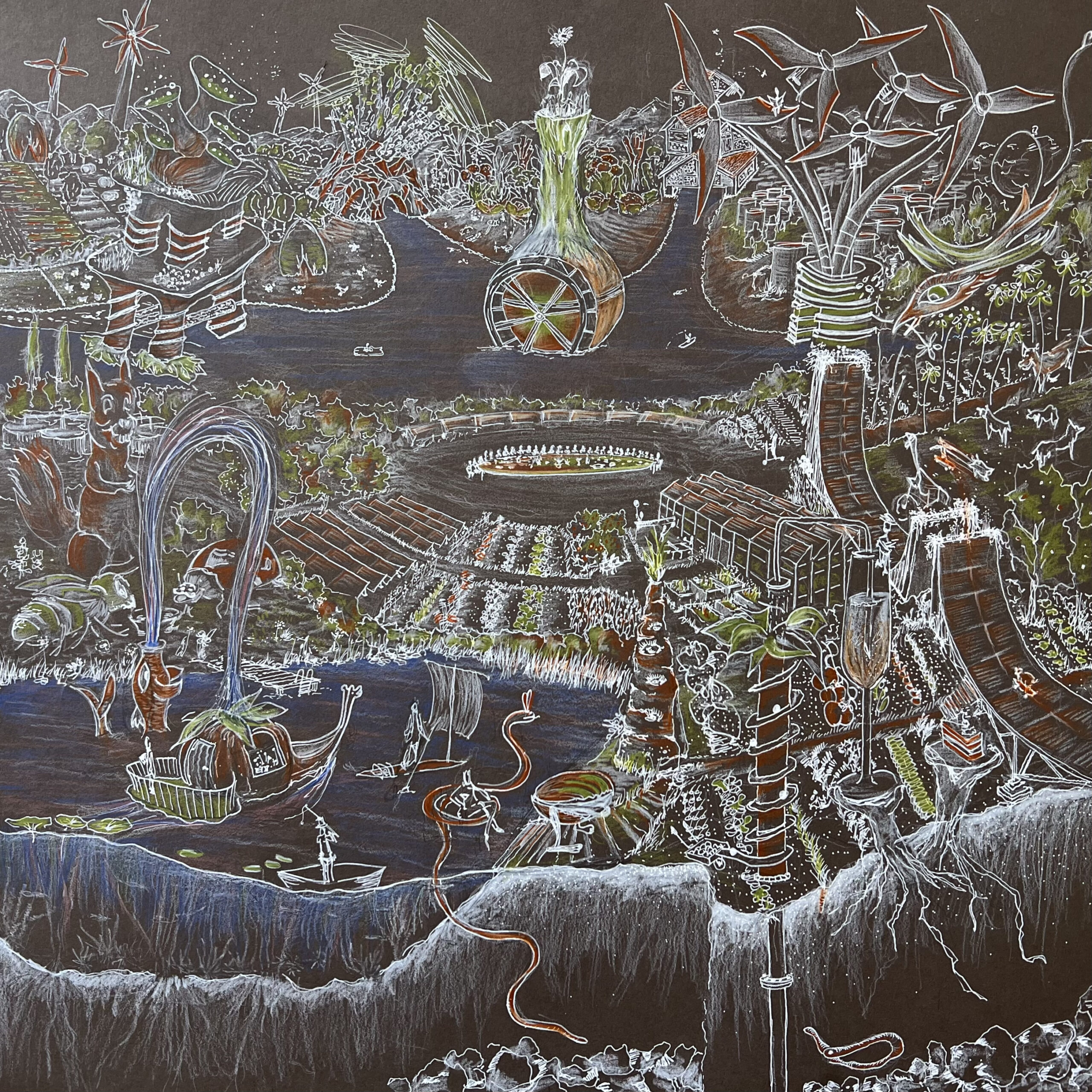
Productive Urban Landscapes in Adlershof
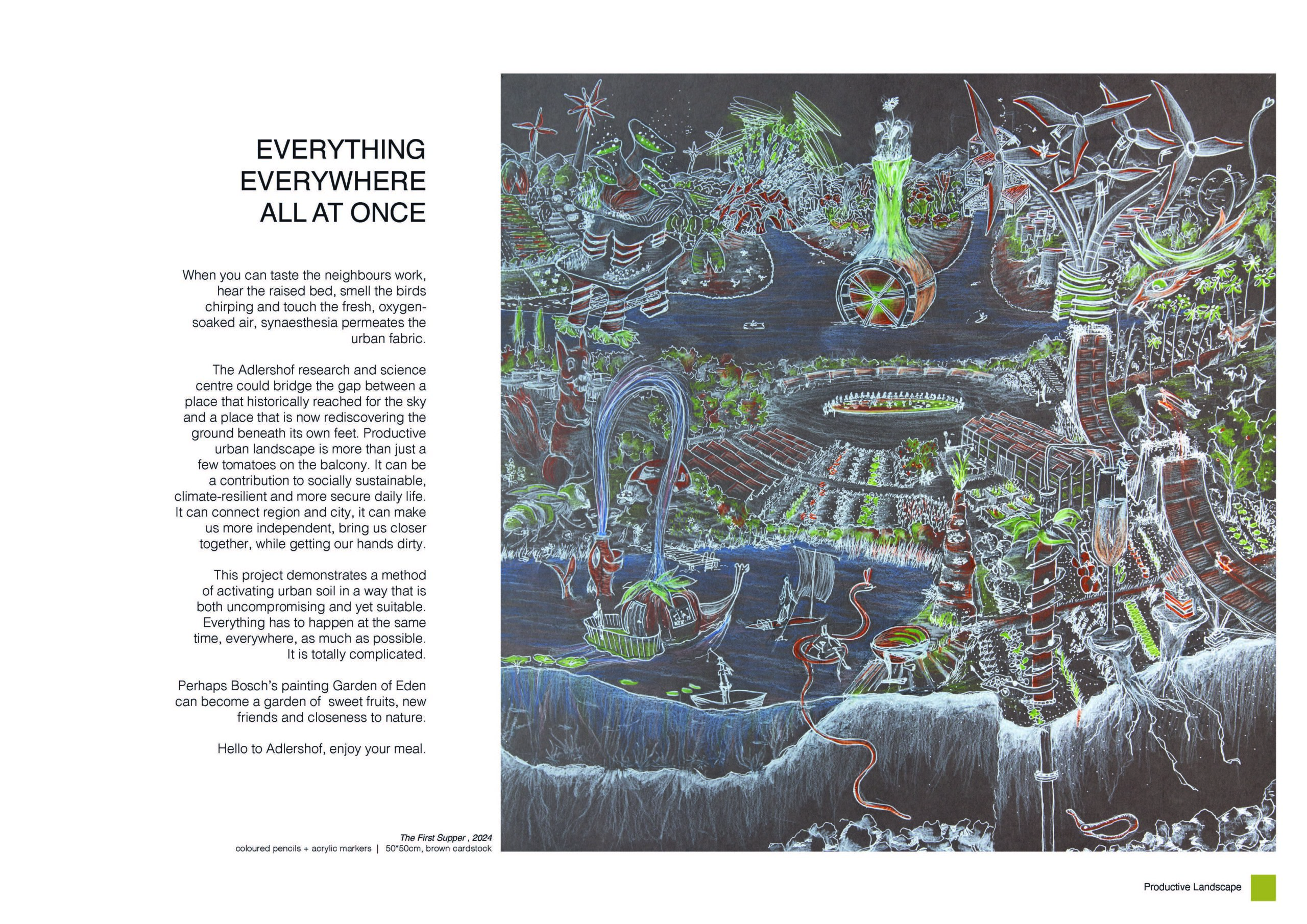
Adlershof, once a site reaching for the sky, is now rediscovering the ground beneath its feet. This project explores how urban soils can activate a productive urban landscape one that goes beyond balcony tomatoes to foster social sustainability, climate resilience, and everyday security.
By connecting city and region, encouraging independence, and strengthening community, soils become a medium for both ecological and social renewal. The vision: turning Adlershof into a garden of shared fruits, new friendships, and closeness to nature.

Our full chapter of the atlas is shown at the bottom of the page.
Our atlas-layer combines food, energy, and community.
From community gardens, rooftops, and aquaponic hubs to private balconies and gardens, residents grow, process, and share food, creating resilience and self-sufficiency. The Foodhafen as a central hub links local production with regional supply, while cafeterias, Fairteiler points, and cargo bikes ensure fair distribution, short distances, and collective meals that strengthen community ties.
At the same time, Adlershof moves toward energy self-sufficiency, with solar power proving the most effective and viable source for rooftops, façades, and open spaces. Together, local food and renewable energy form the backbone of a climate-resilient, socially sustainable urban future.
Intro
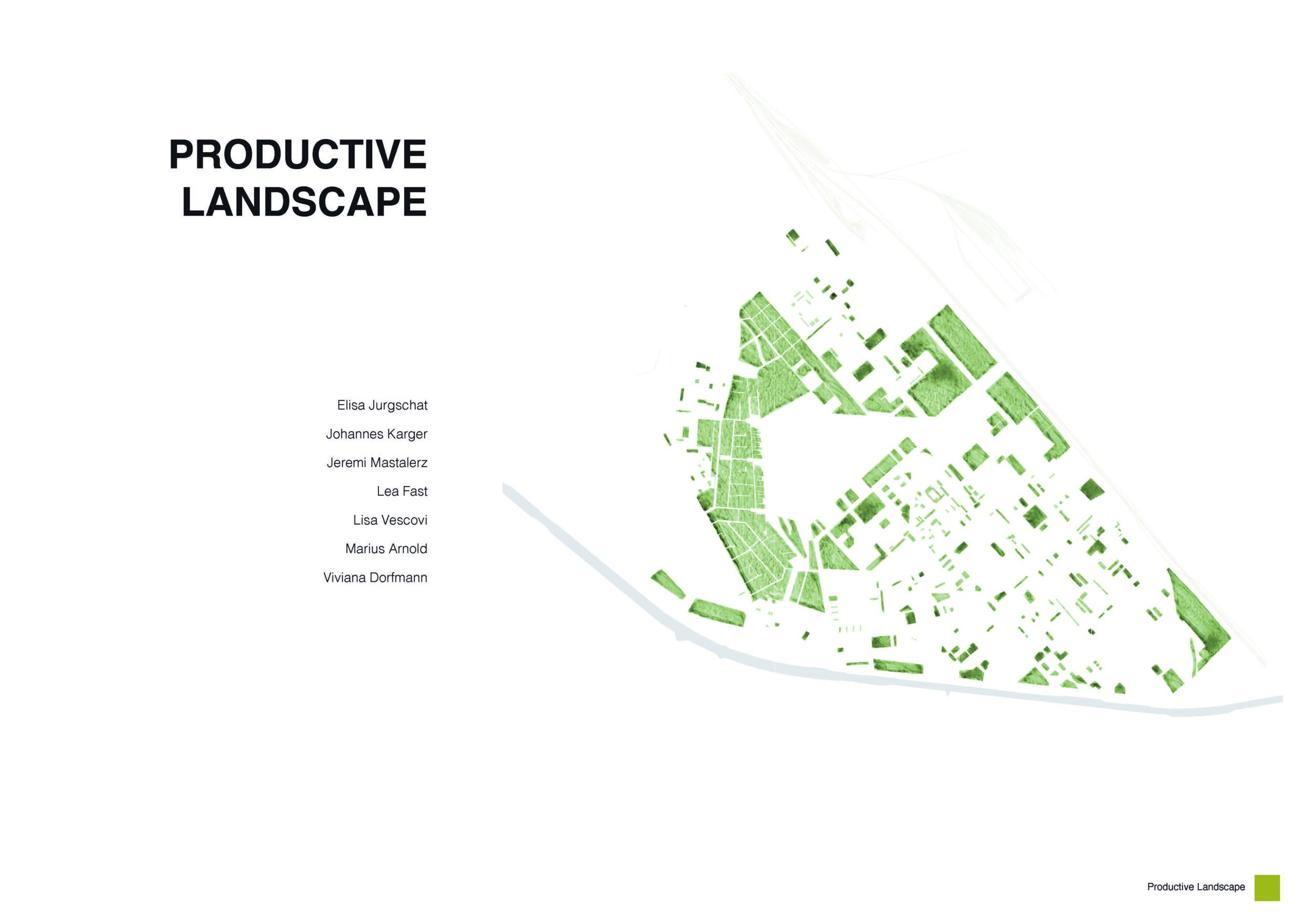
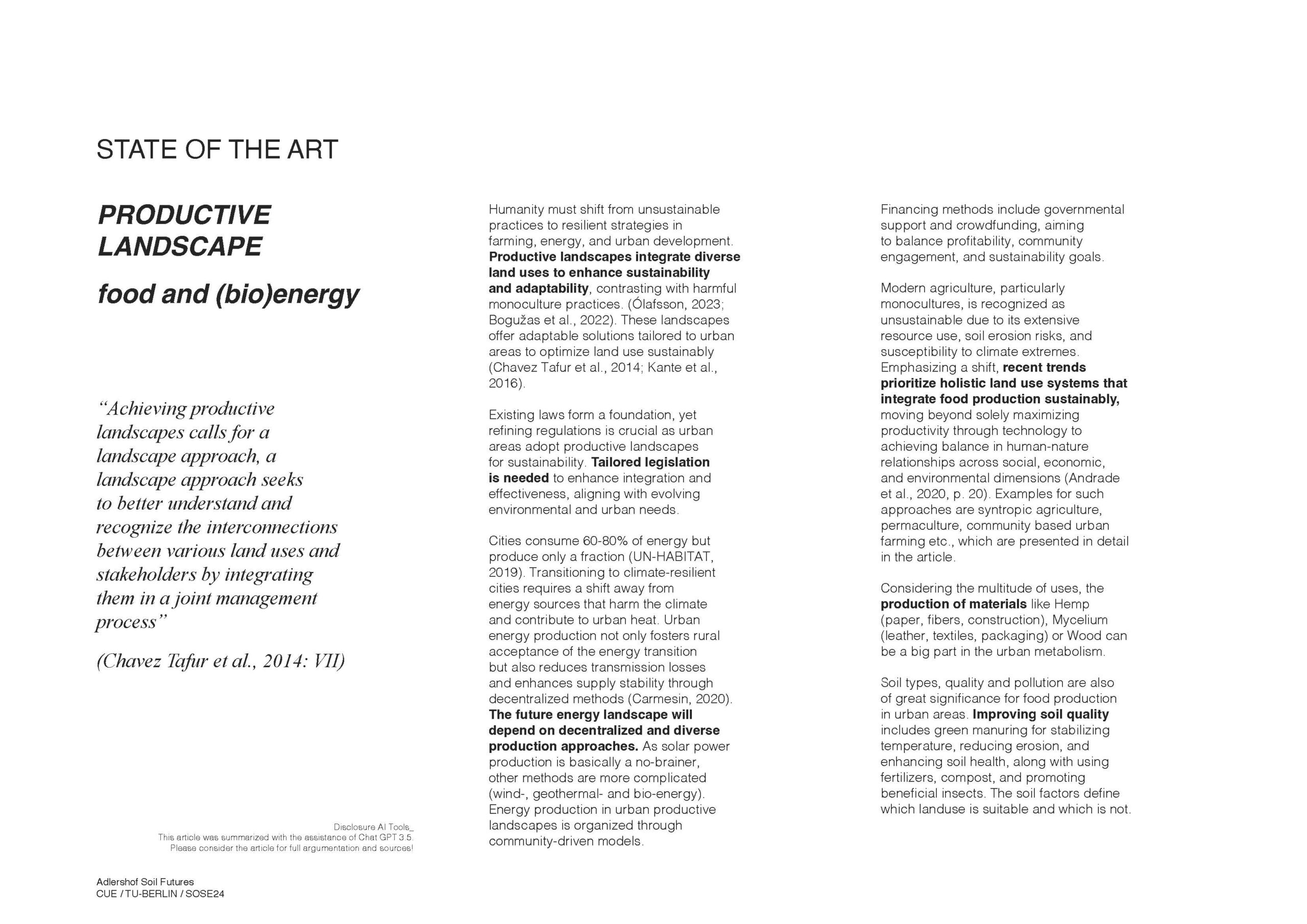
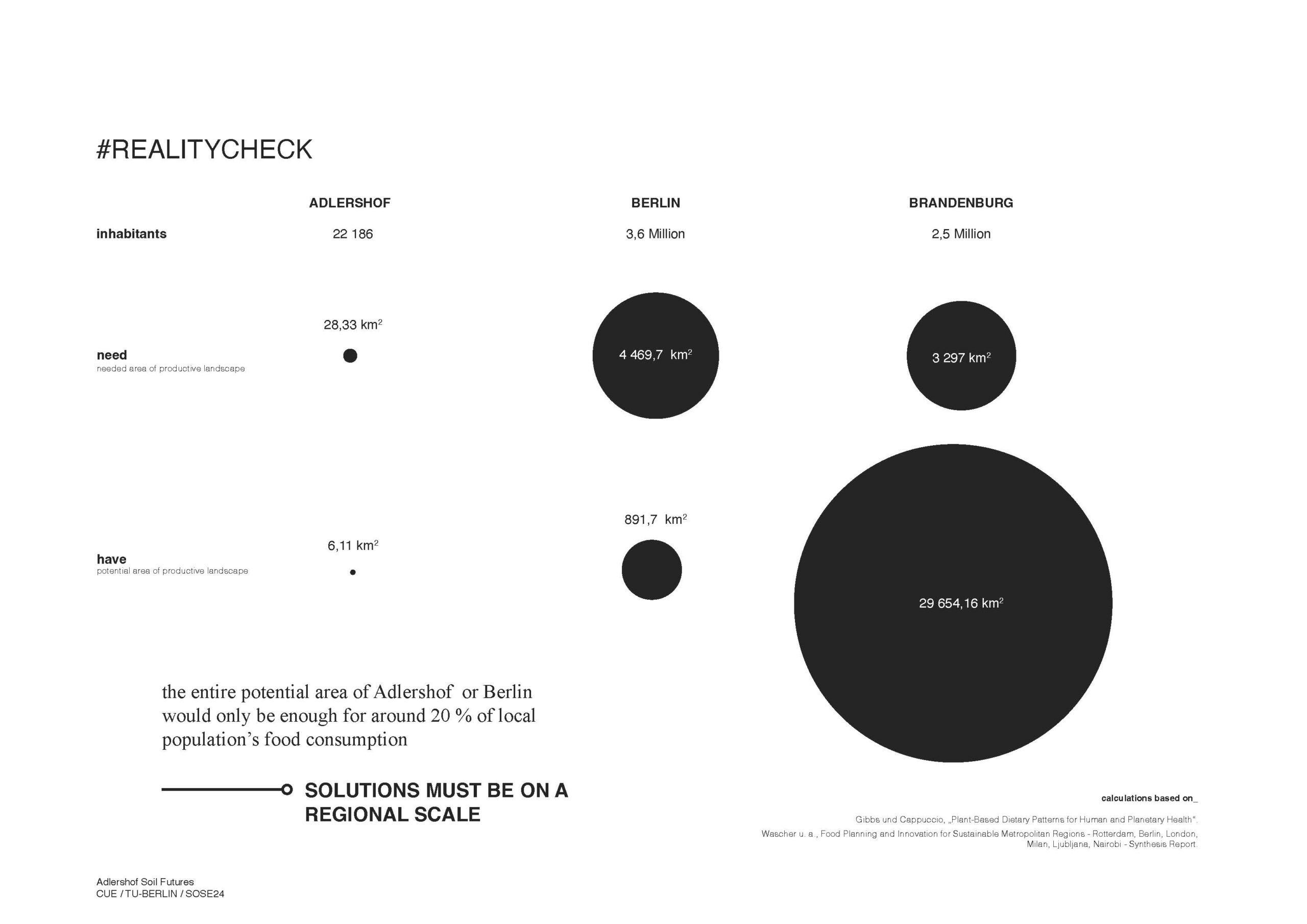
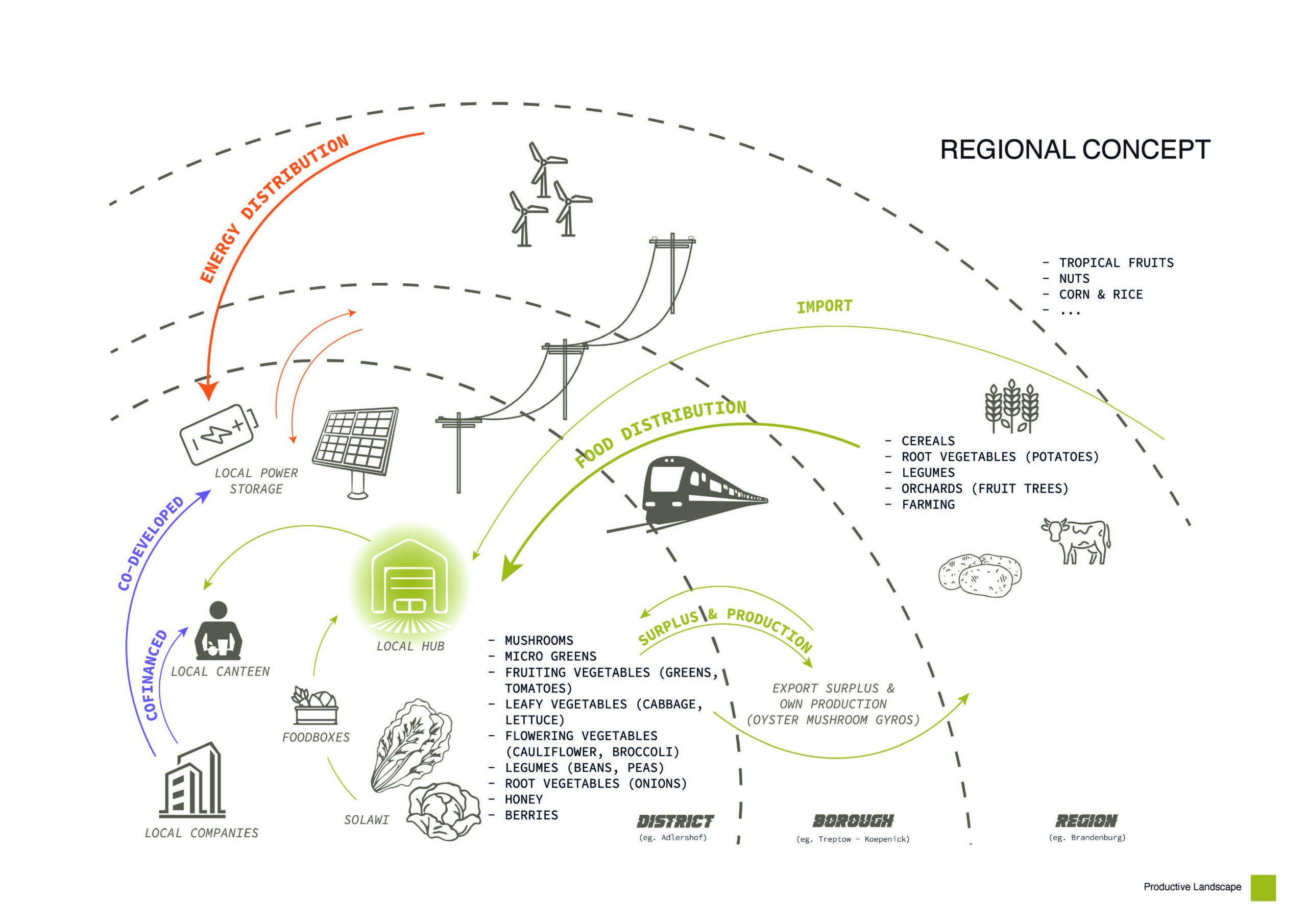
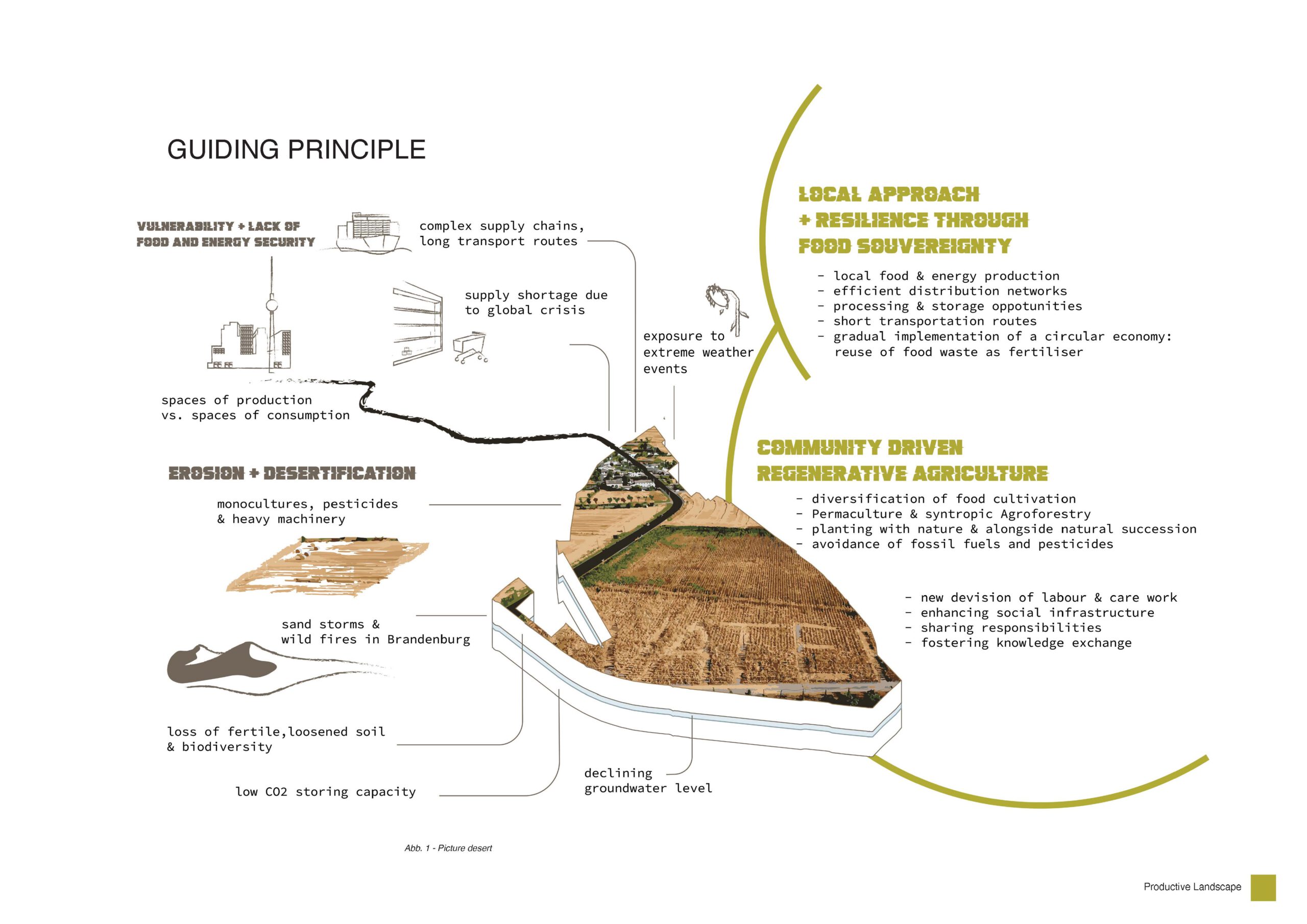
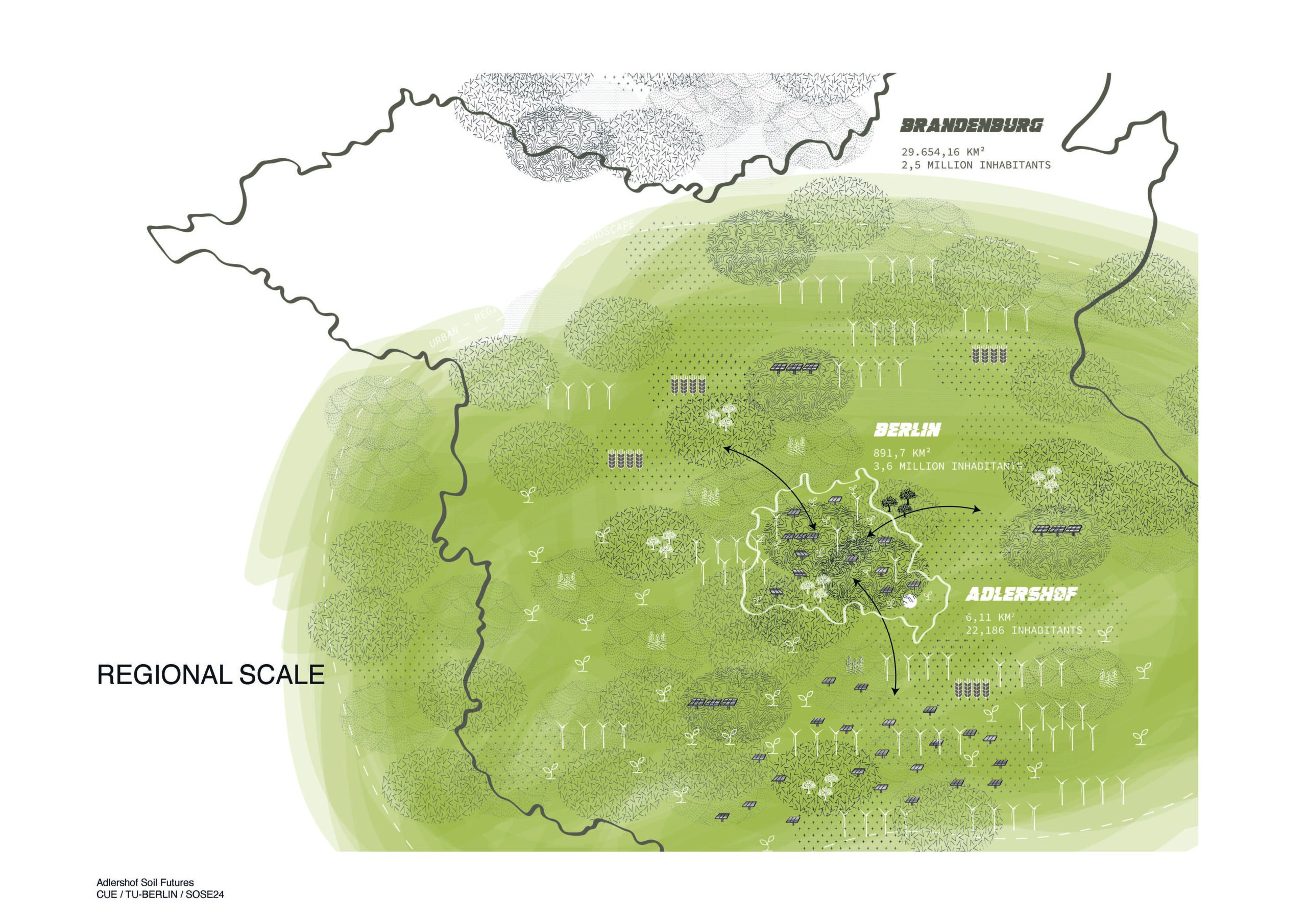
Regional Scale
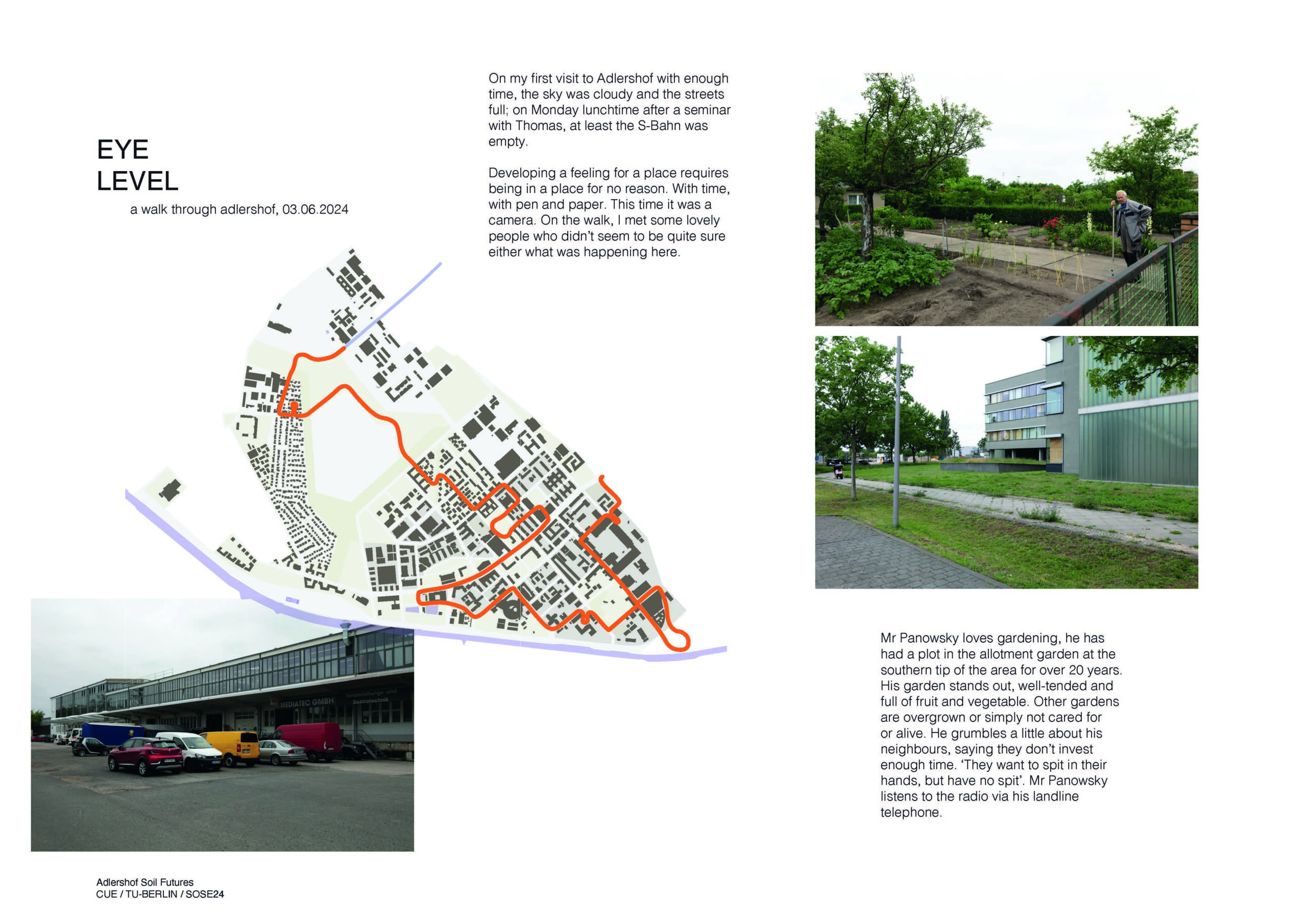
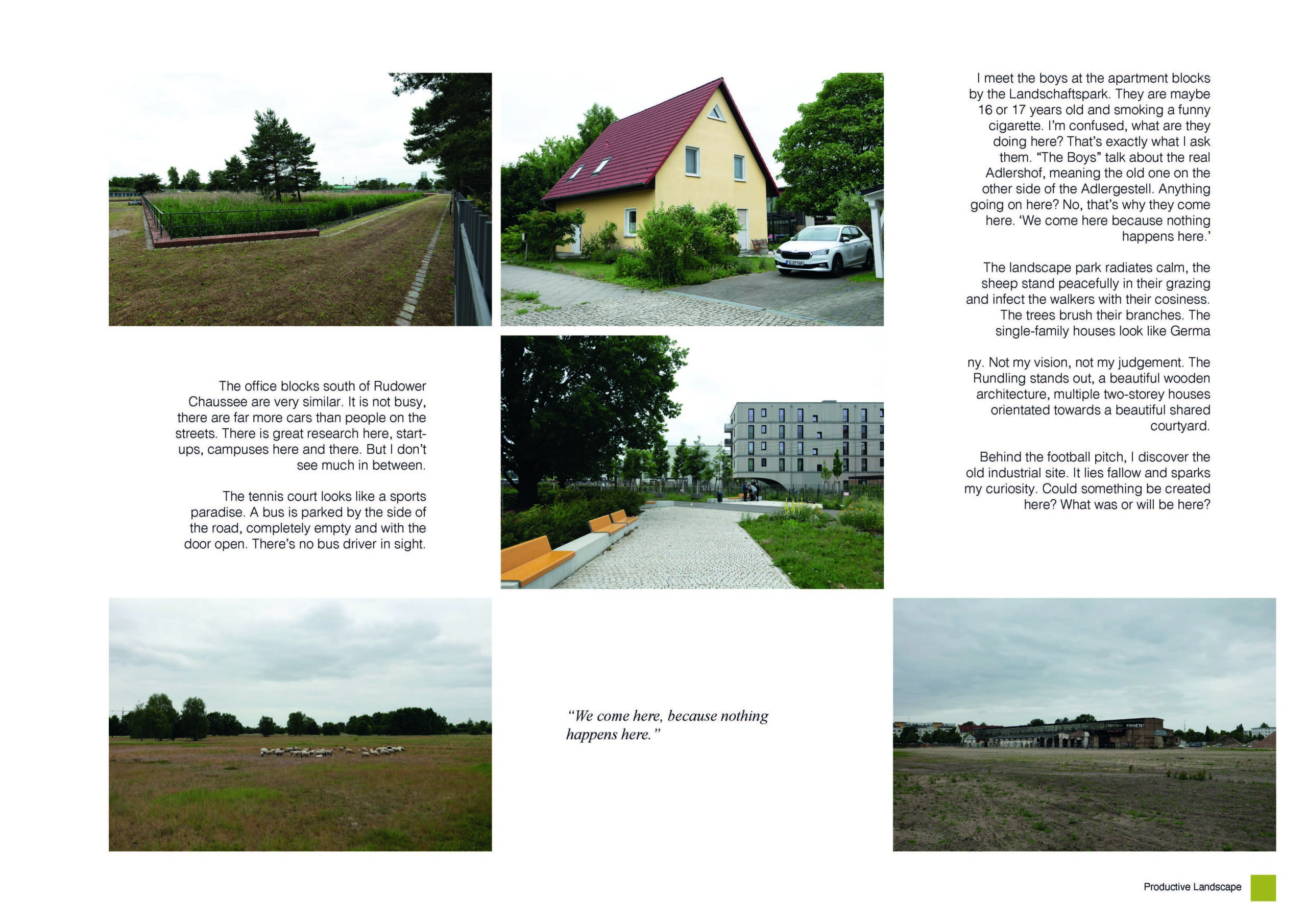
Eye Level
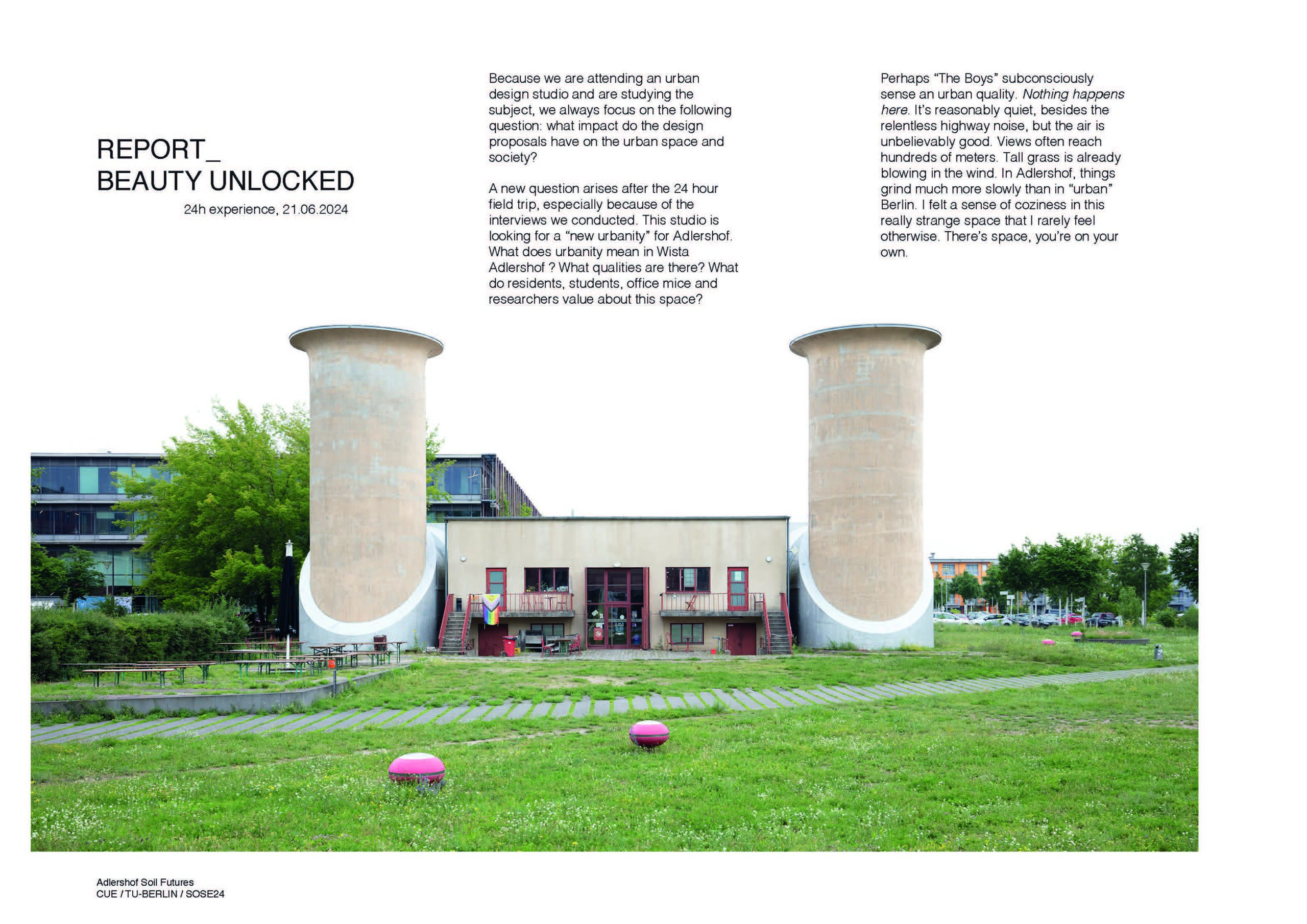
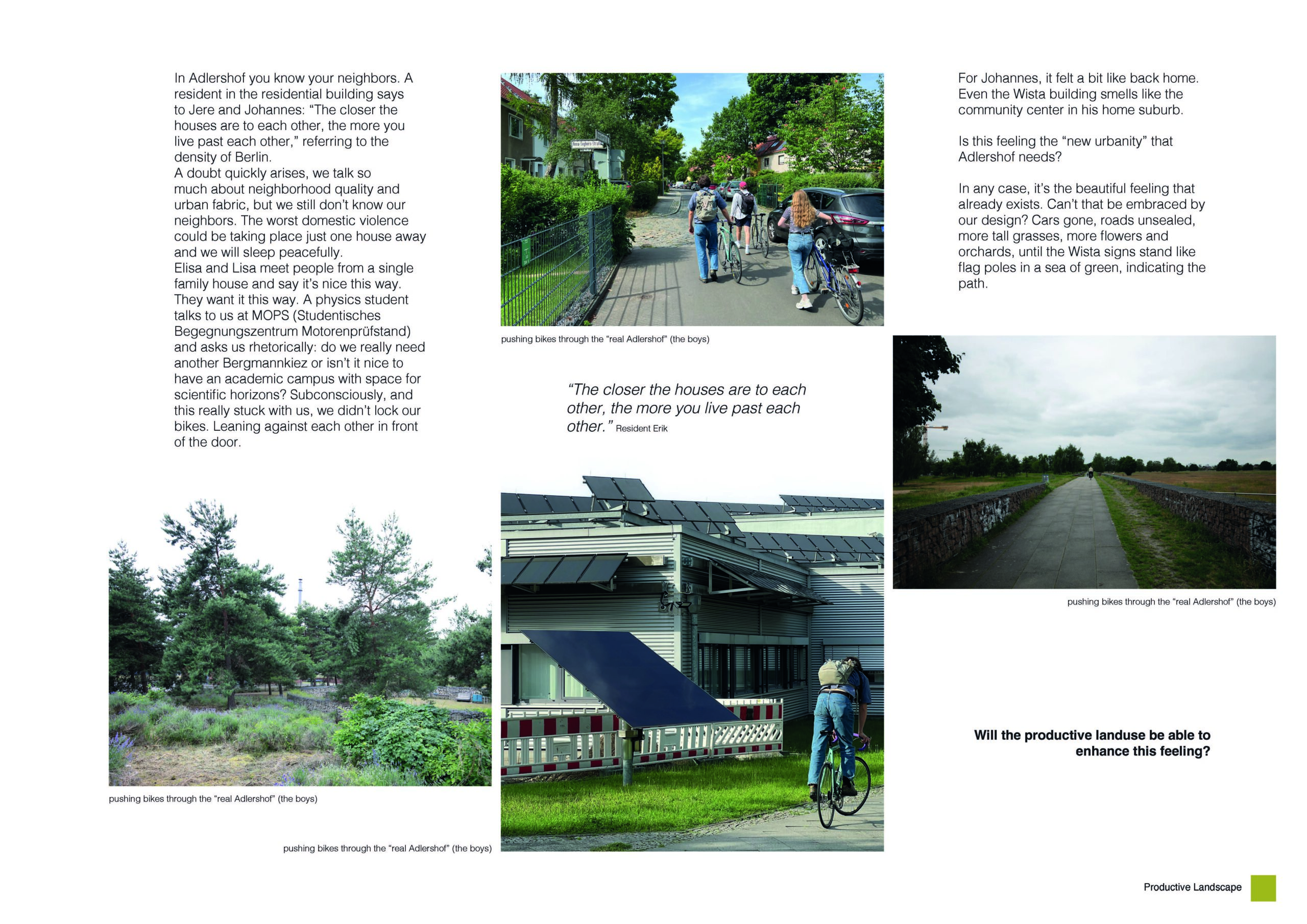
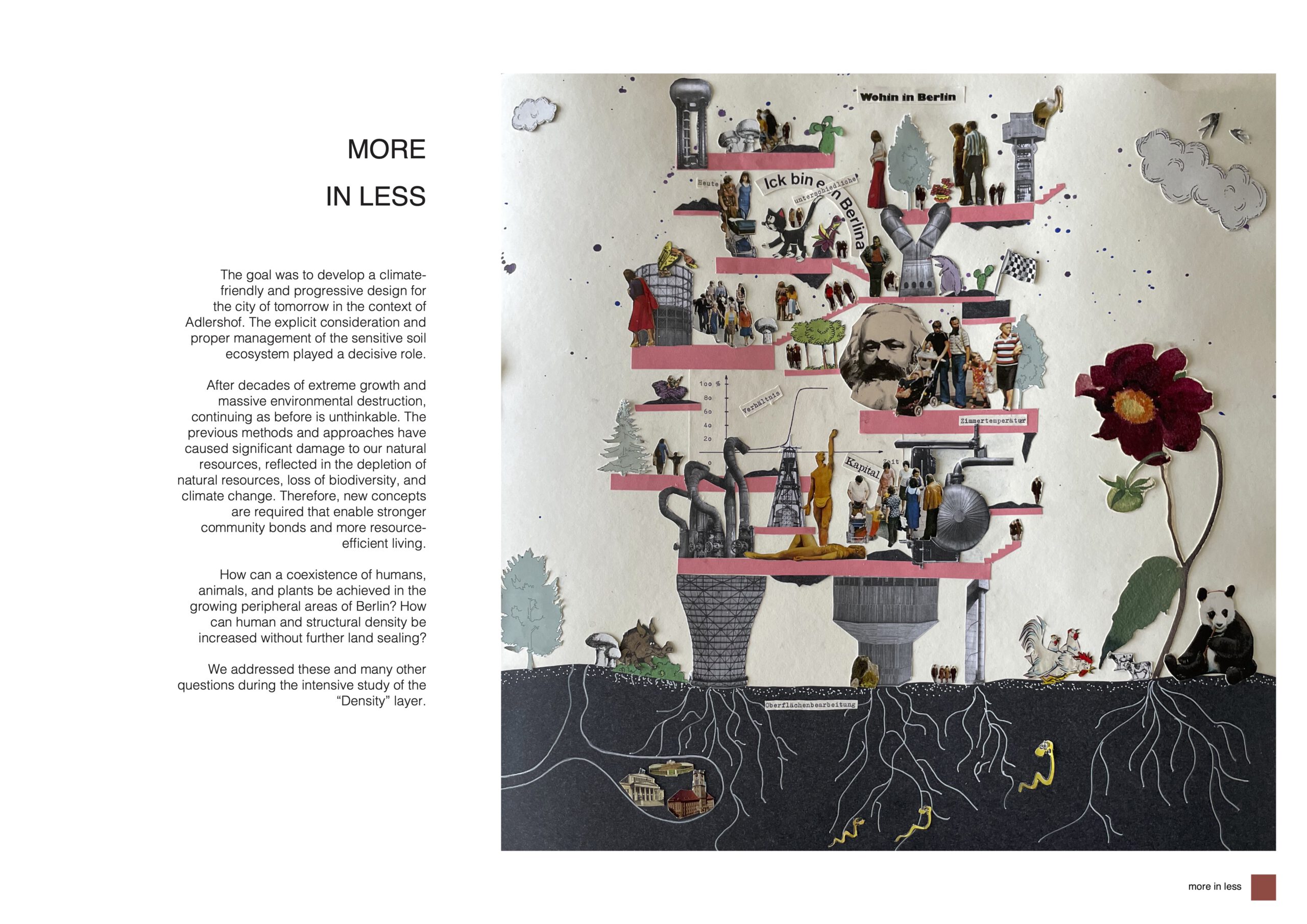
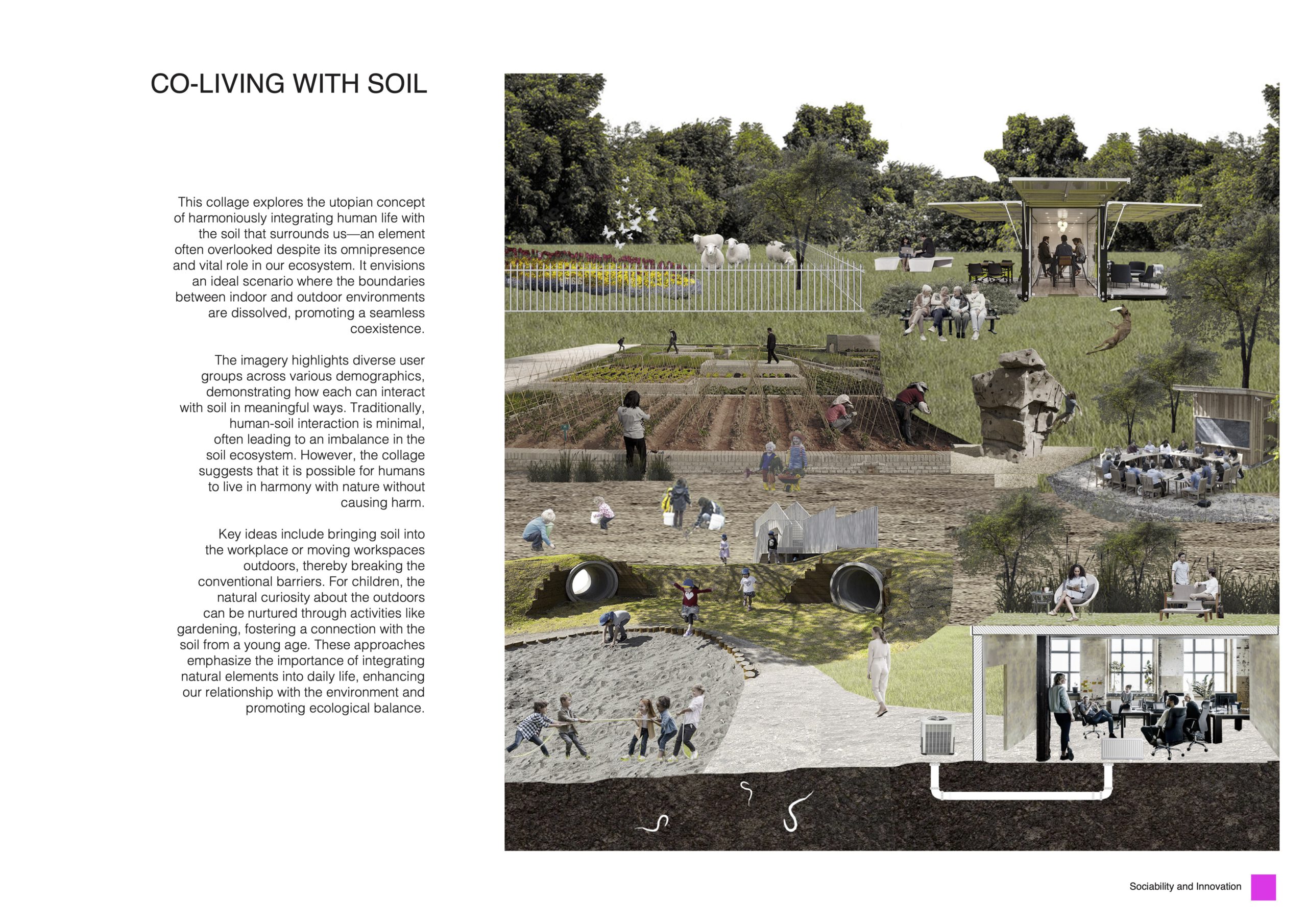
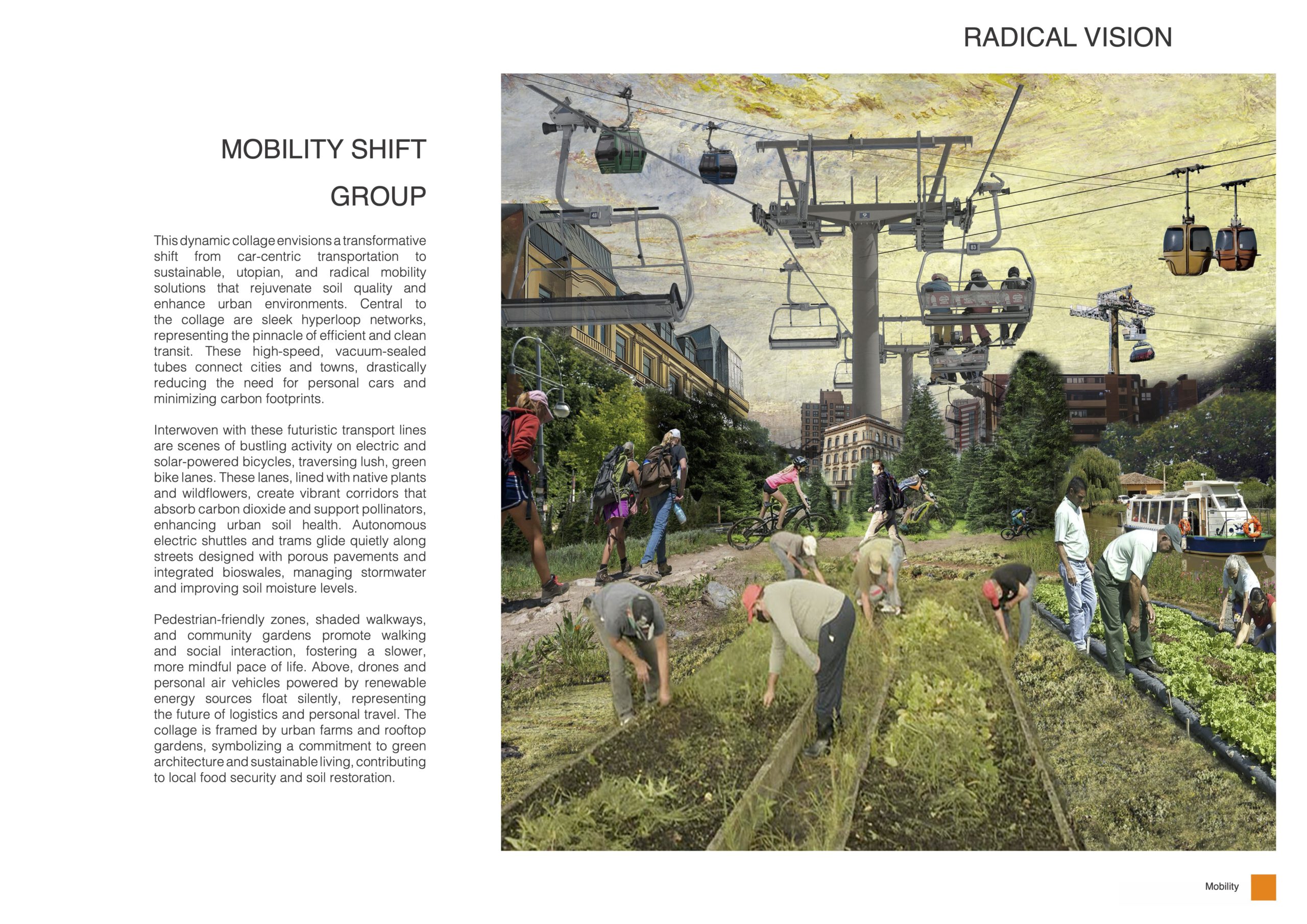
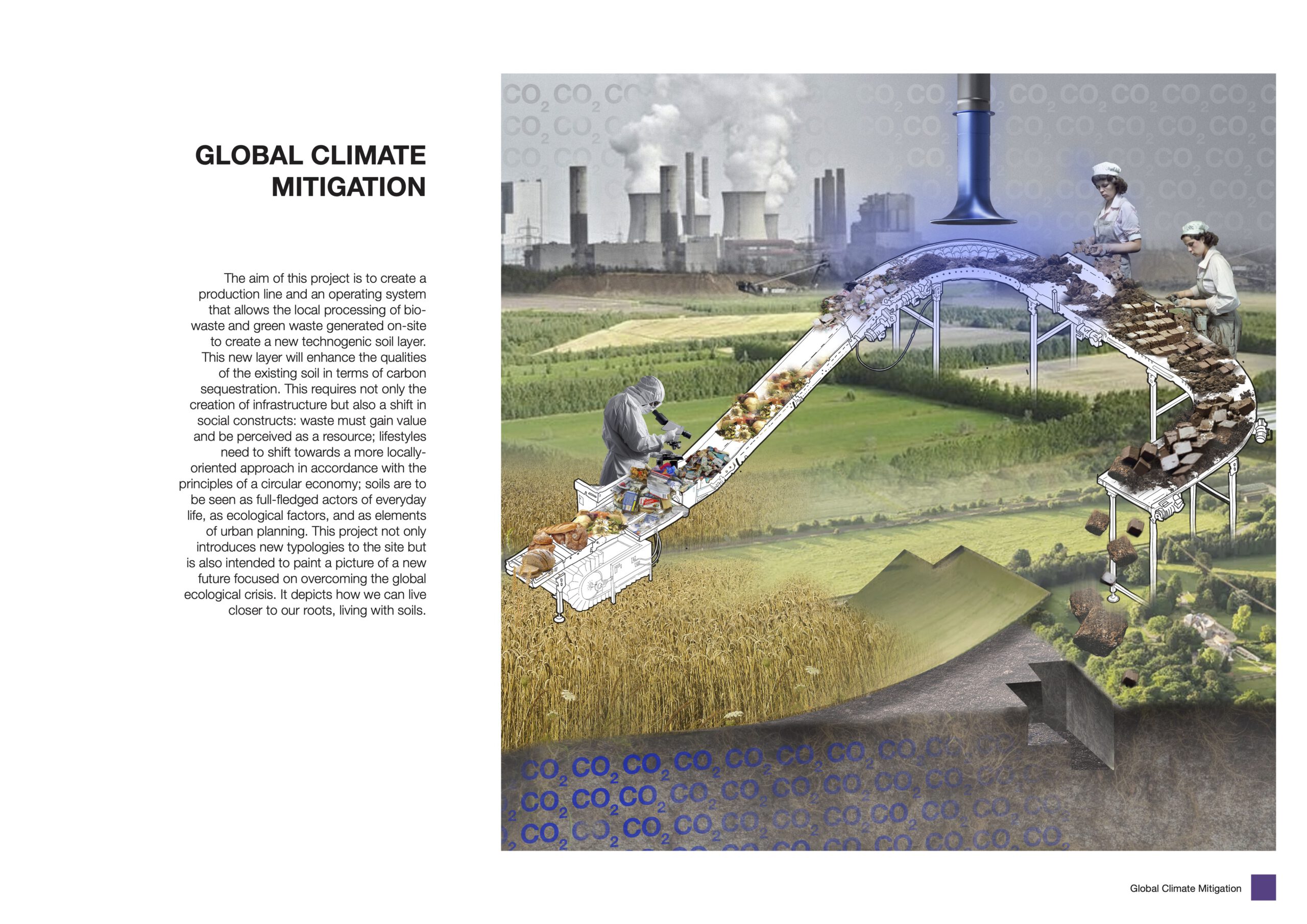
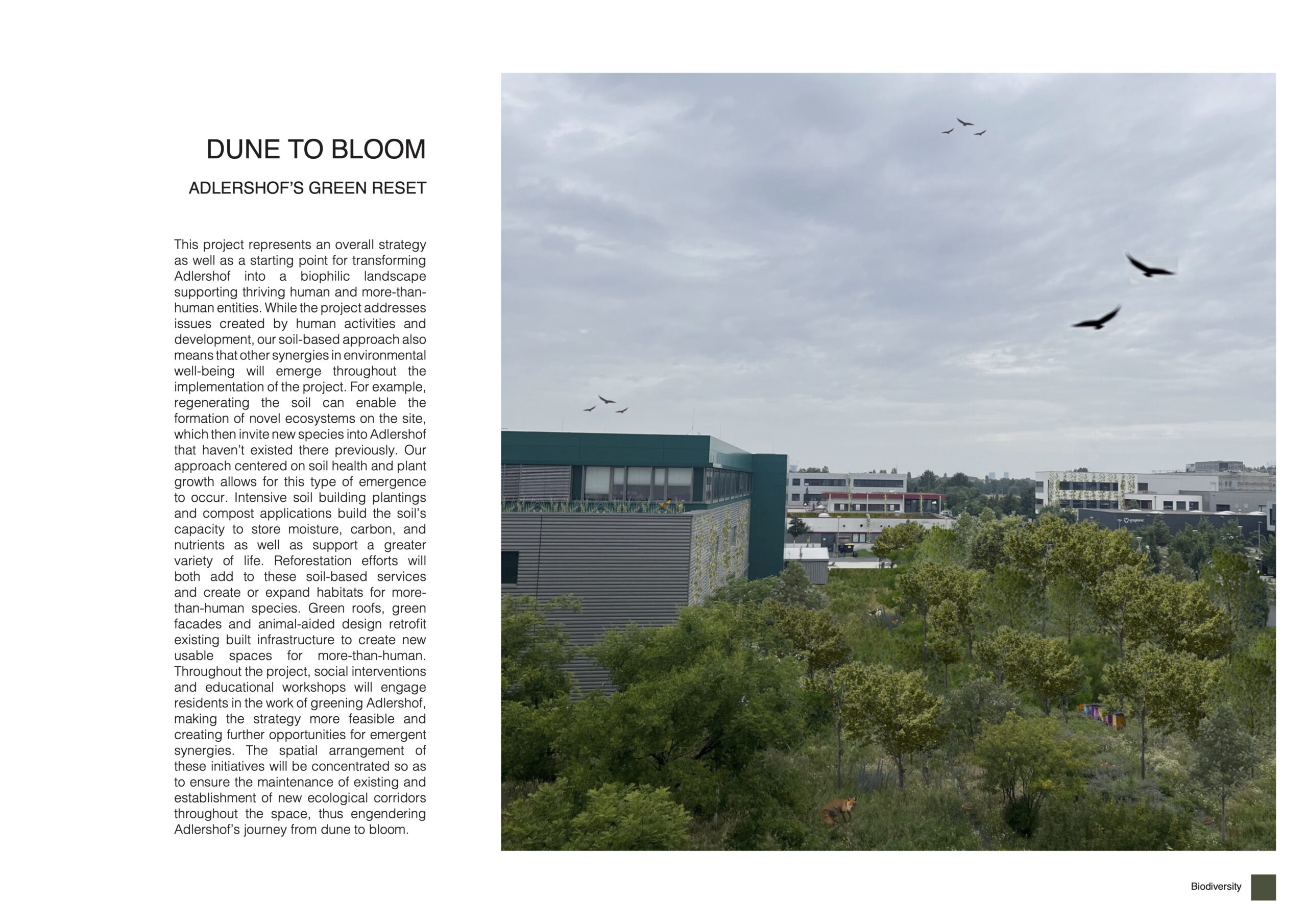
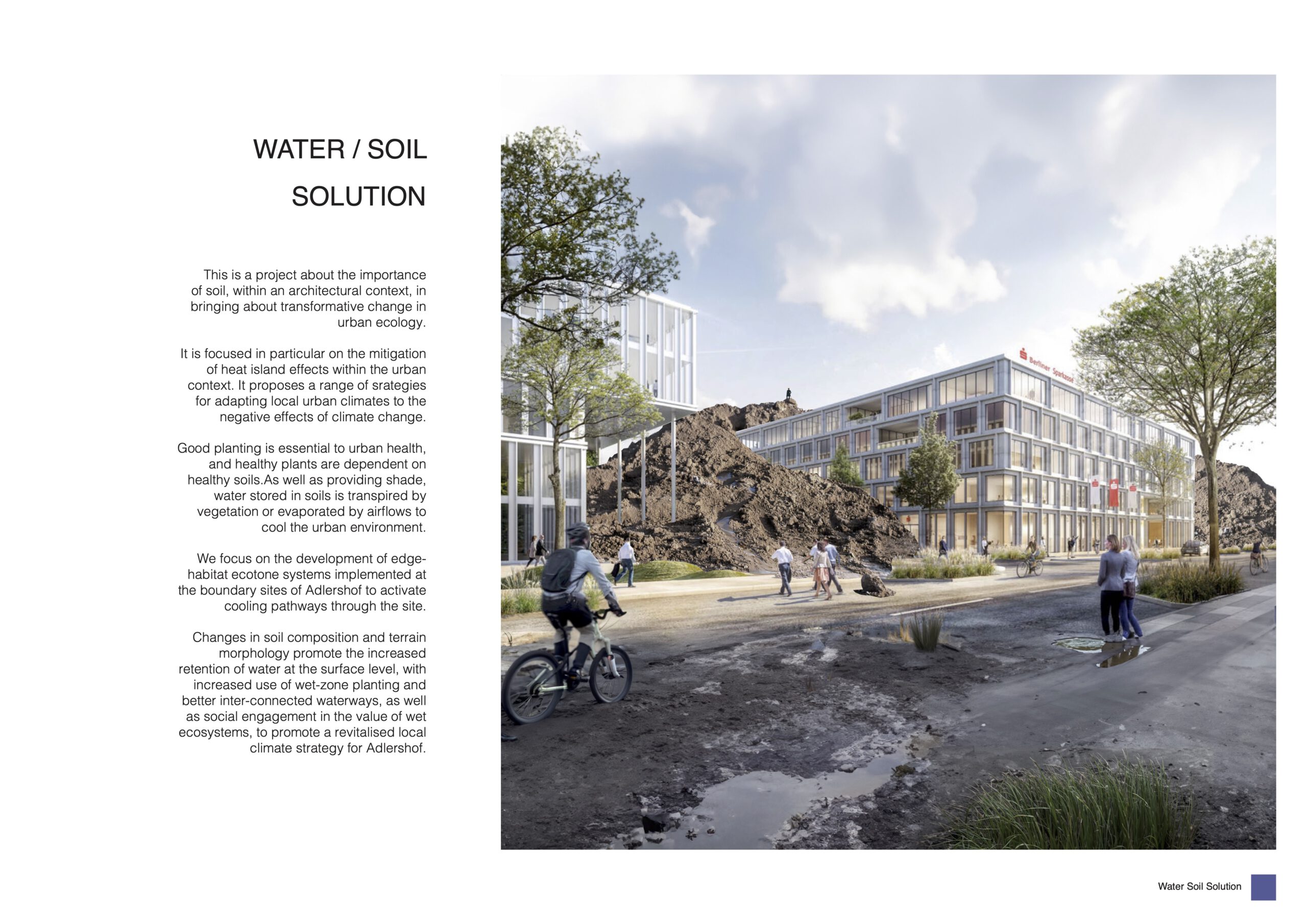
Overview Layers (other groups)
Andere Projekte
Re:boot2026 | Masterthesis |Rummelsburger Bucht, Berlin
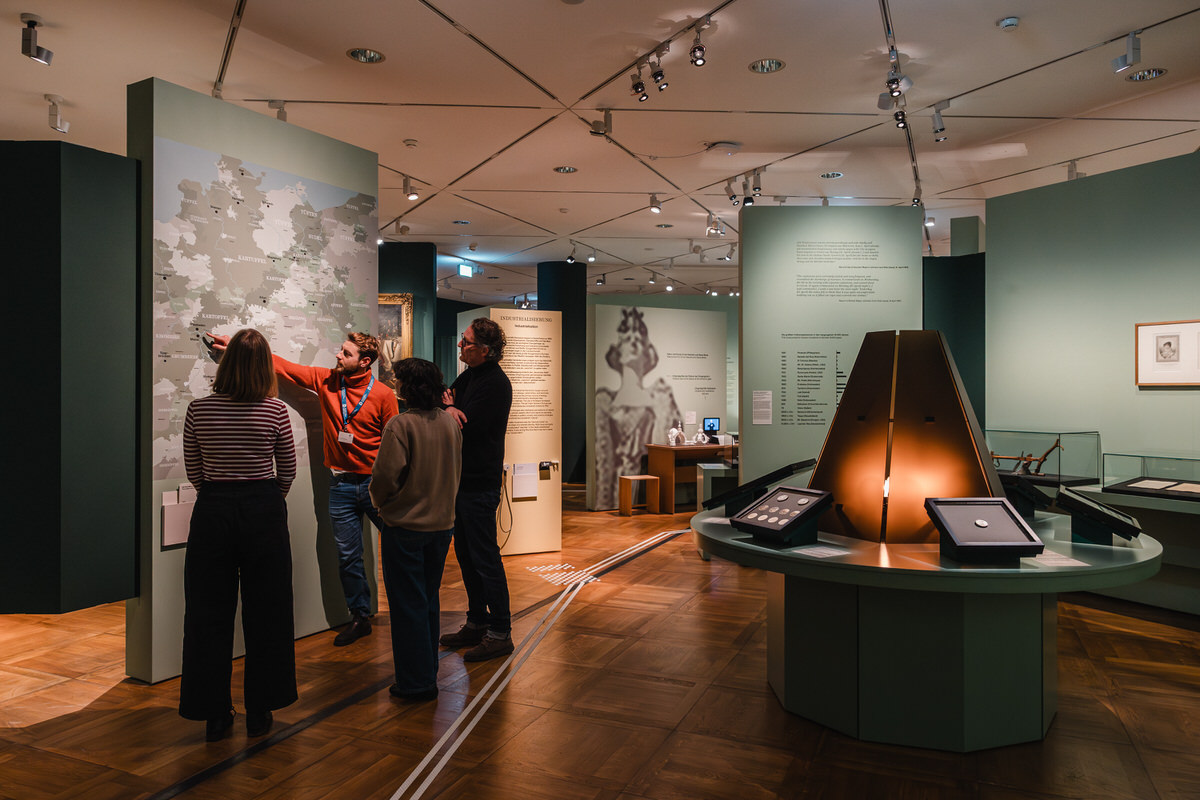
Natur und deutsche Geschichte2025 | Ausstellung | DHM
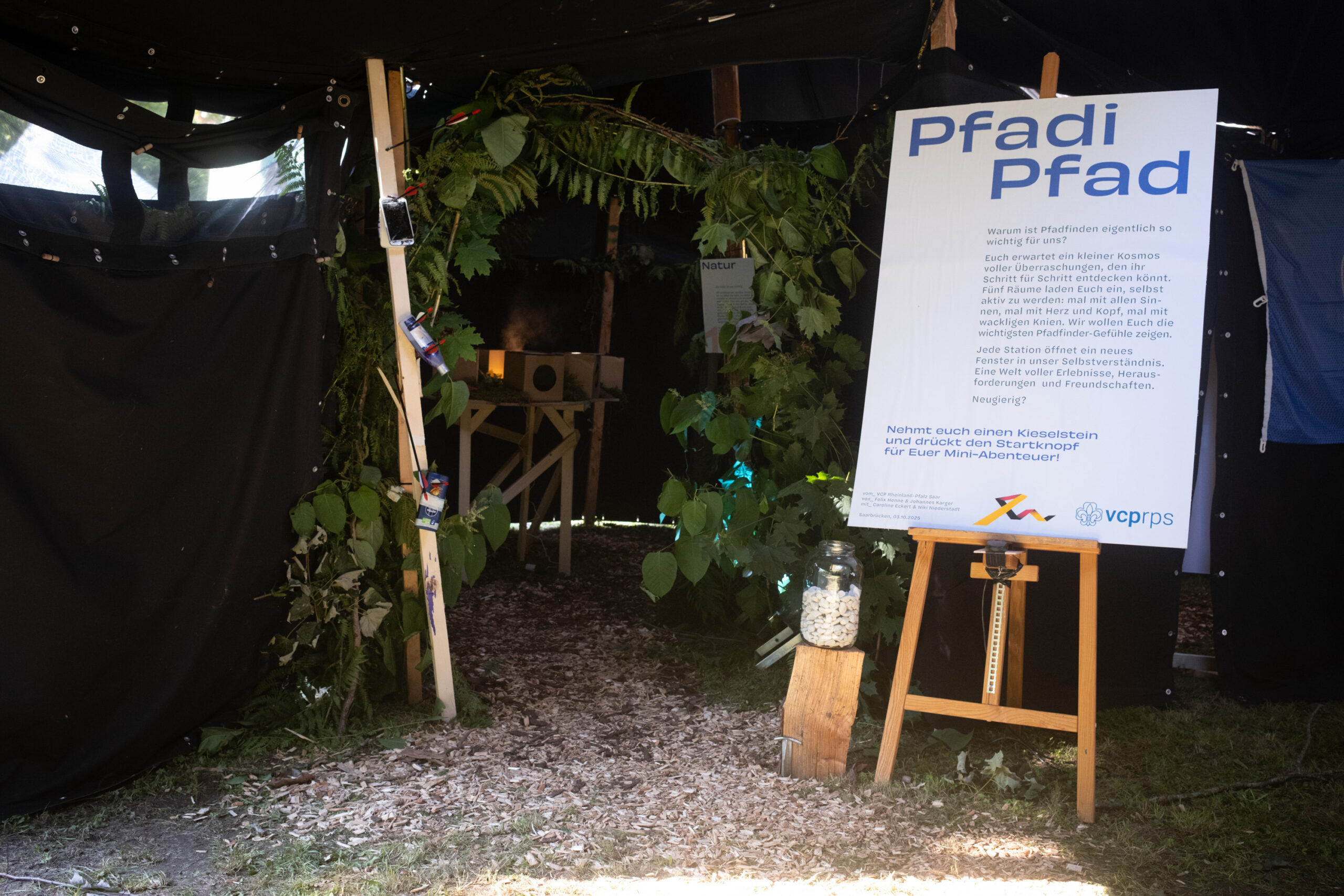
Pfadi Pfad2025 | Ausstellung | Saarbrücken
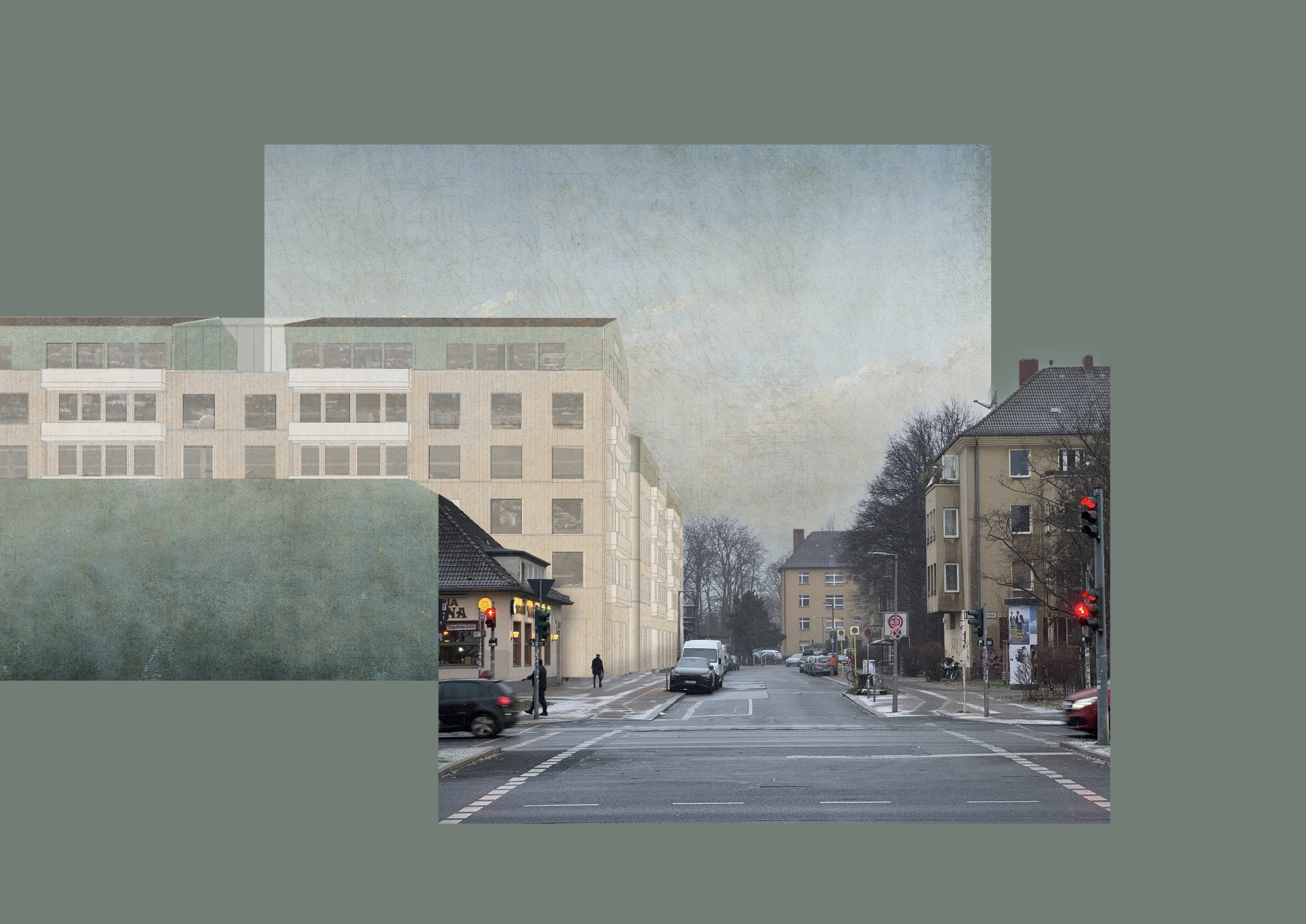
Joanes Preis2025 | Genossenschaftlicher Wohnungsbau | Berlin
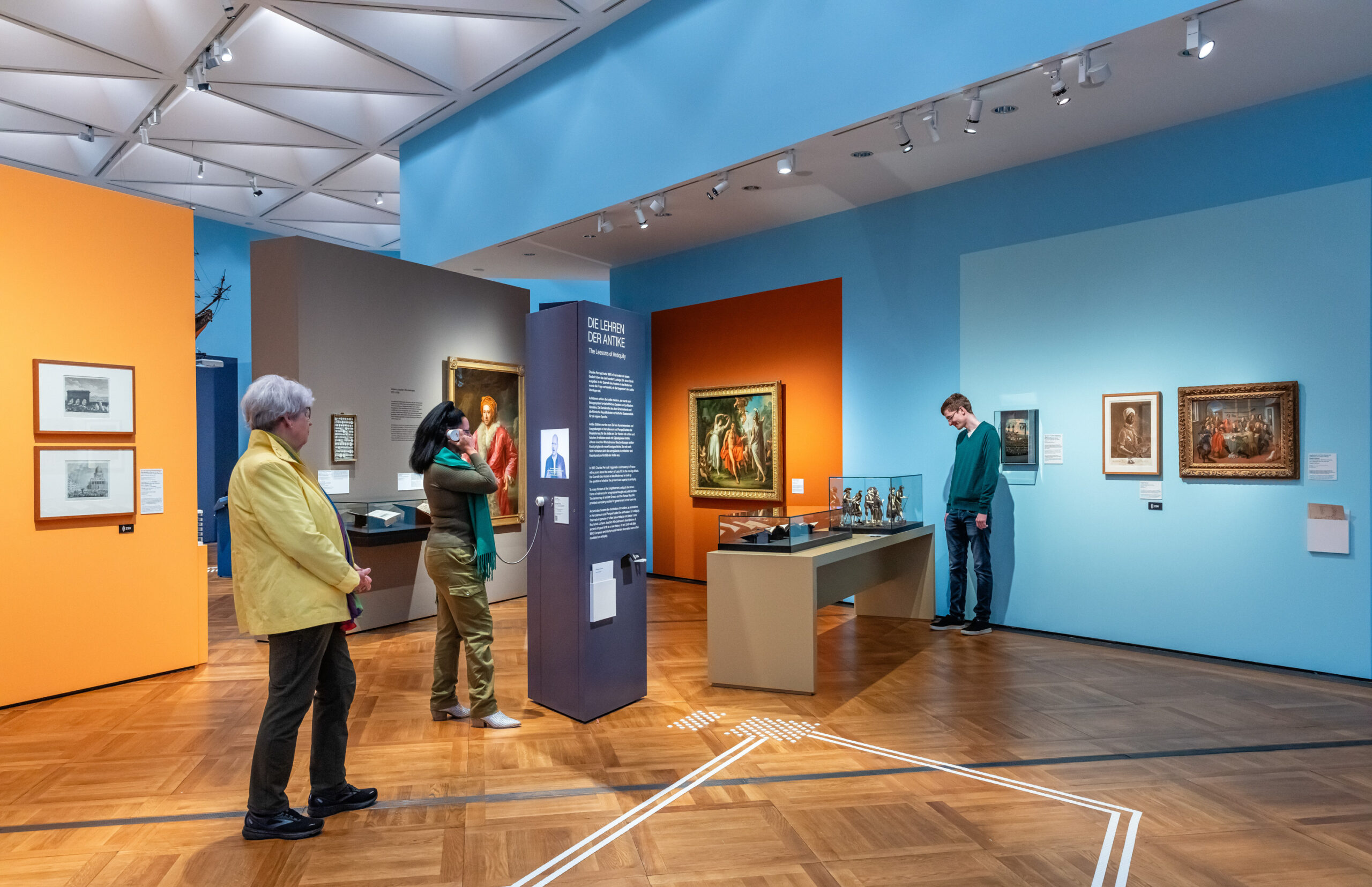
Was ist Aufklärung?2024 | Ausstellung |DHM
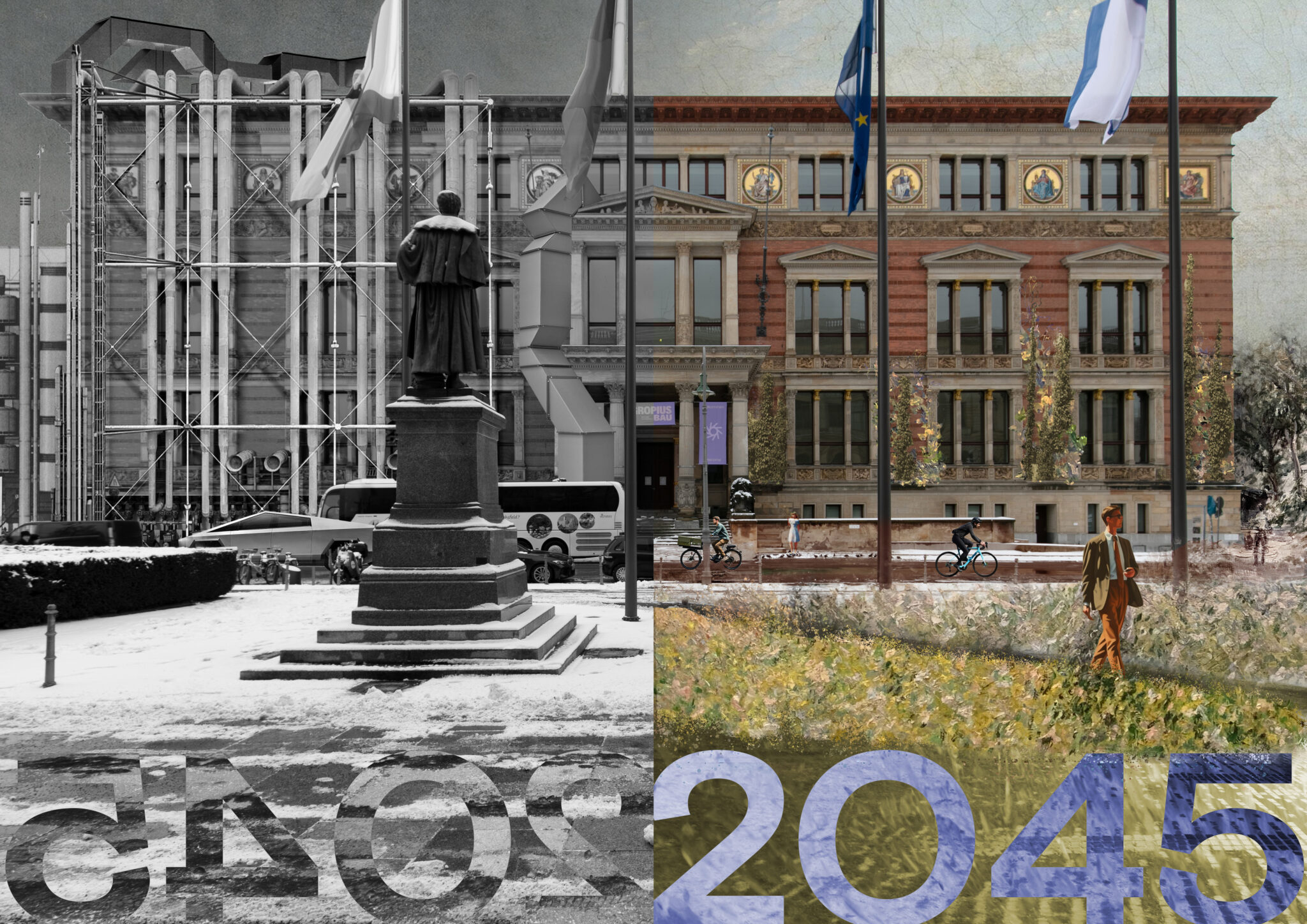
Muse|um|bauen2024| Lehrforschungsprojekt | mit Gropius Bau, Berlin
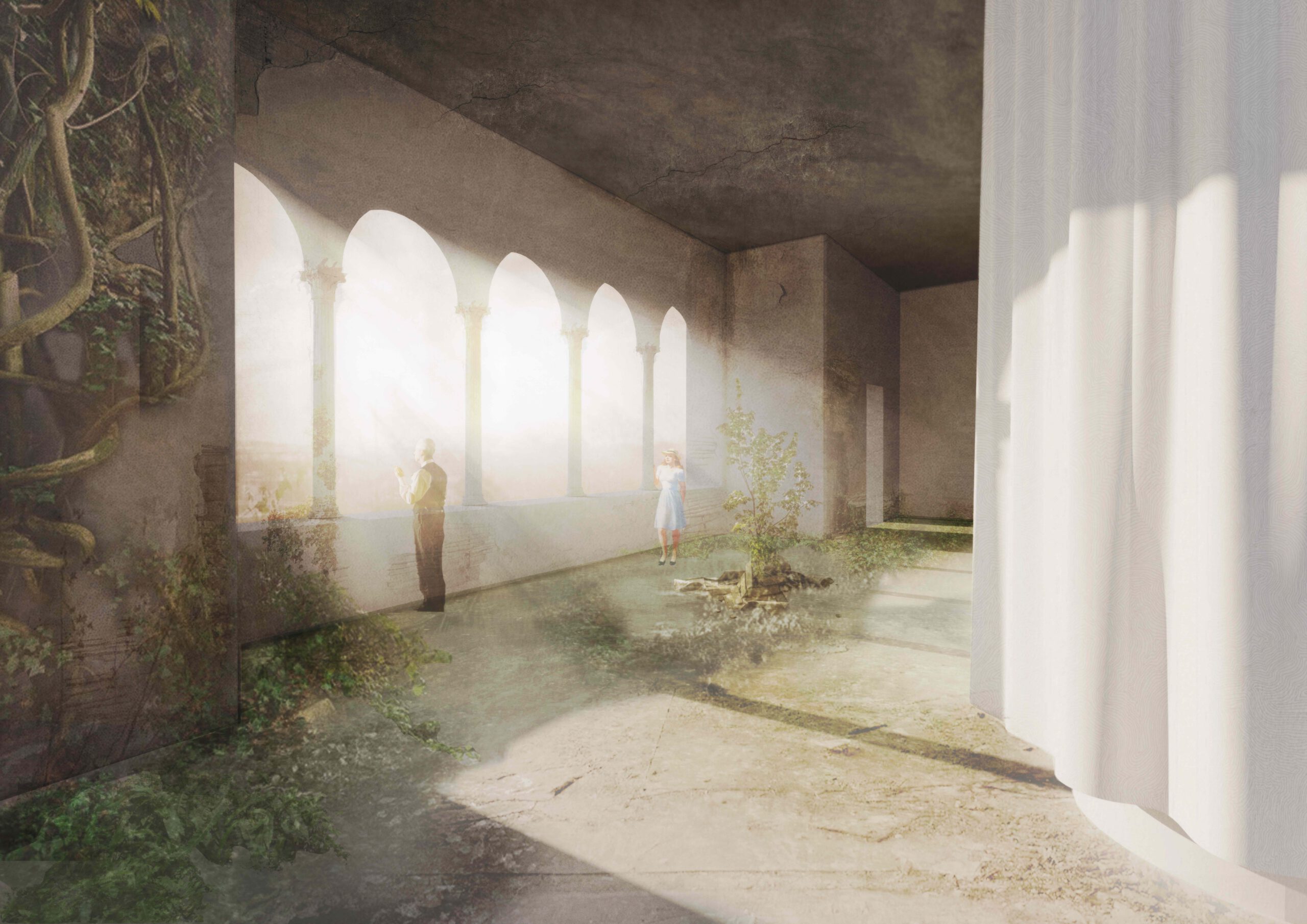
Villa Berg - B.Sc.2023 | Stuttgart | Bauen im Bestand
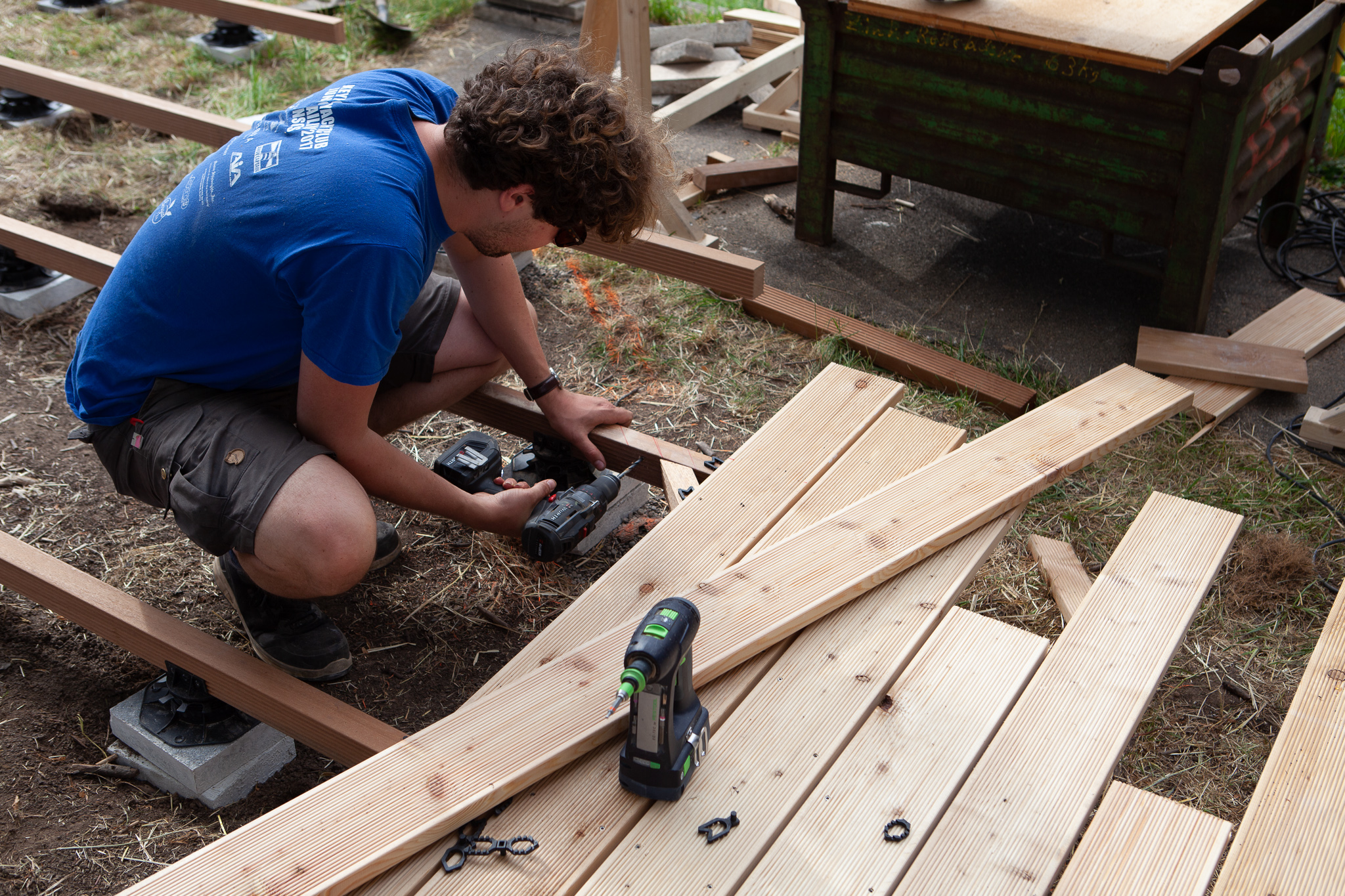
Neckarinsel e.V.2022 | Stuttgart | Entwicklung Ort am Wasser
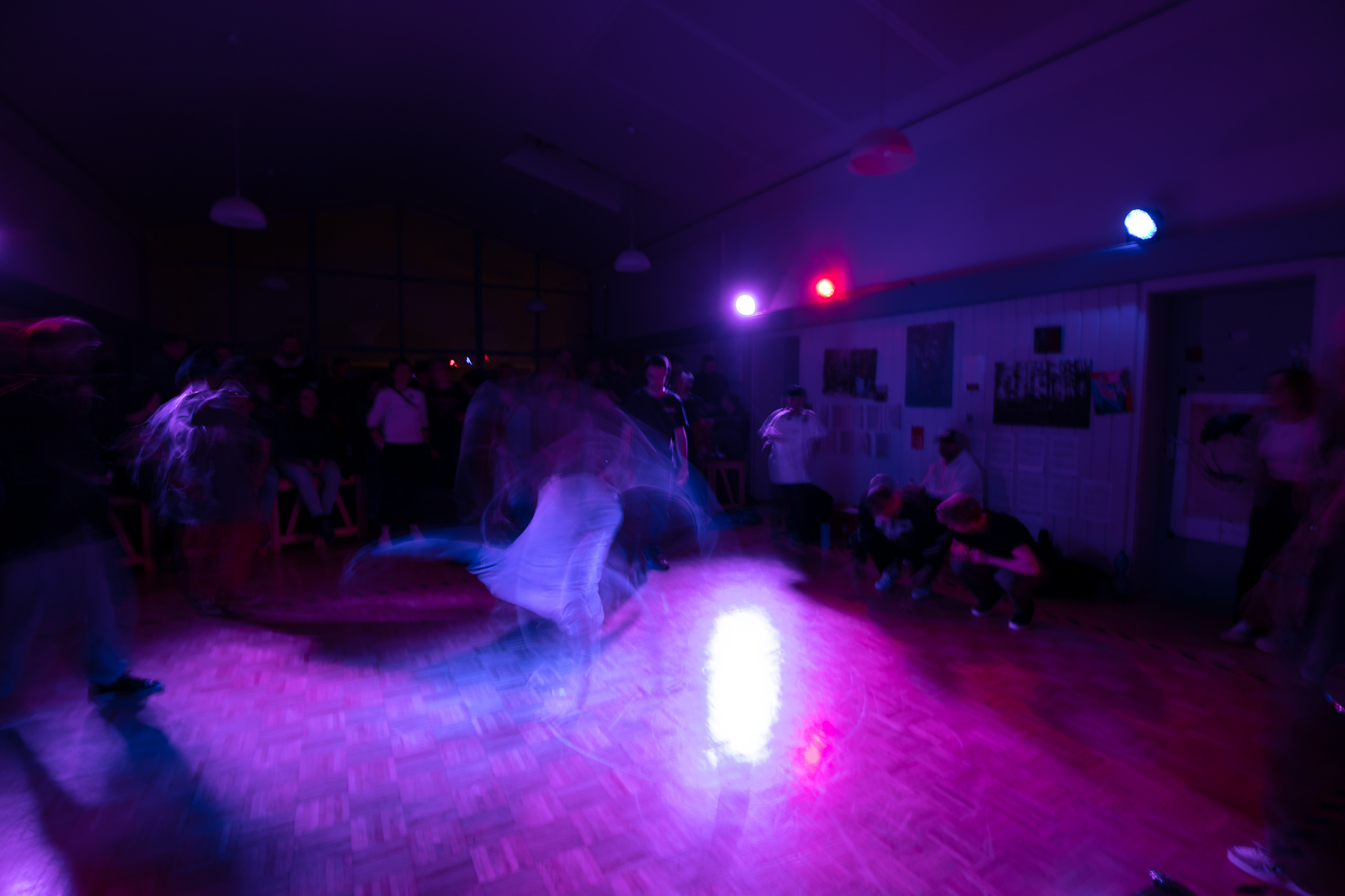
Opak–Festival2022 | Hütte Stuttgart | Subkultur
Gräbele2022 | Hütte Stuttgart | Zwischenraum
Lifecycle Sucker2022 | Uni Stuttgart | Verräumlichte Dystopie
10829, Berlin
Email: hallo@johannes-karger.de
instagram: johanneskarger